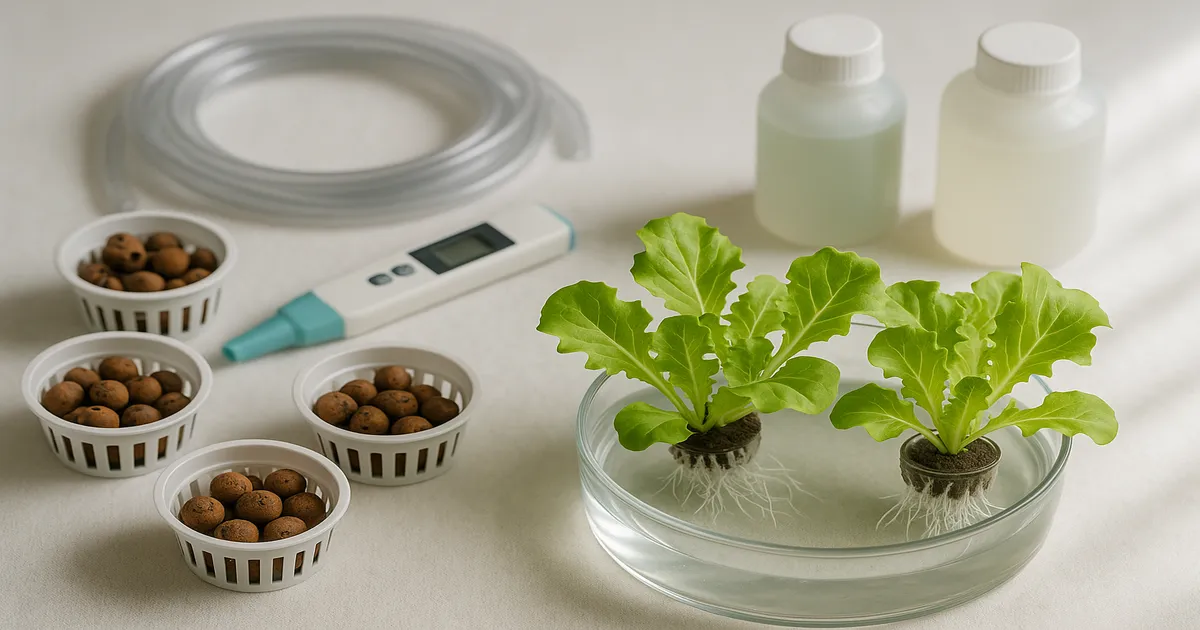
Quick Answer: Hydroponics grows plants in nutrient-rich water without soil, delivering 30–50% faster growth and up to 90% water savings compared with traditional gardening. The easiest way to start a hydroponic garden for beginners is with a Deep Water Culture (DWC) or Kratky setup — both are low-cost, low-maintenance, and forgiving of early mistakes. Get those right, and you can be harvesting lettuce in as little as 3–4 weeks.
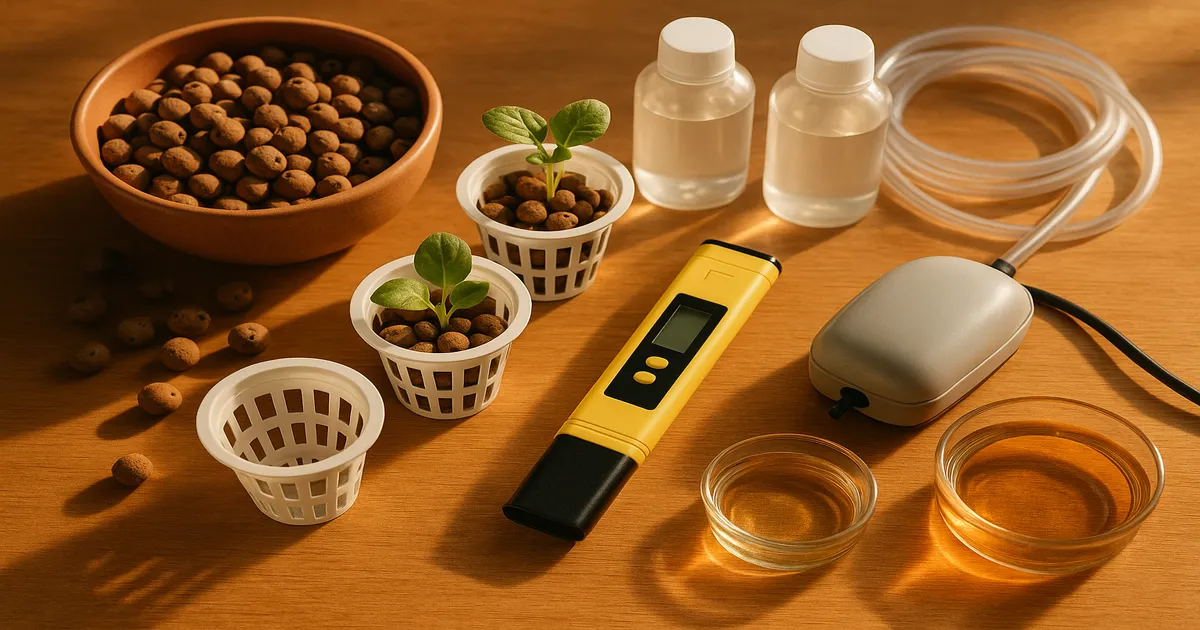
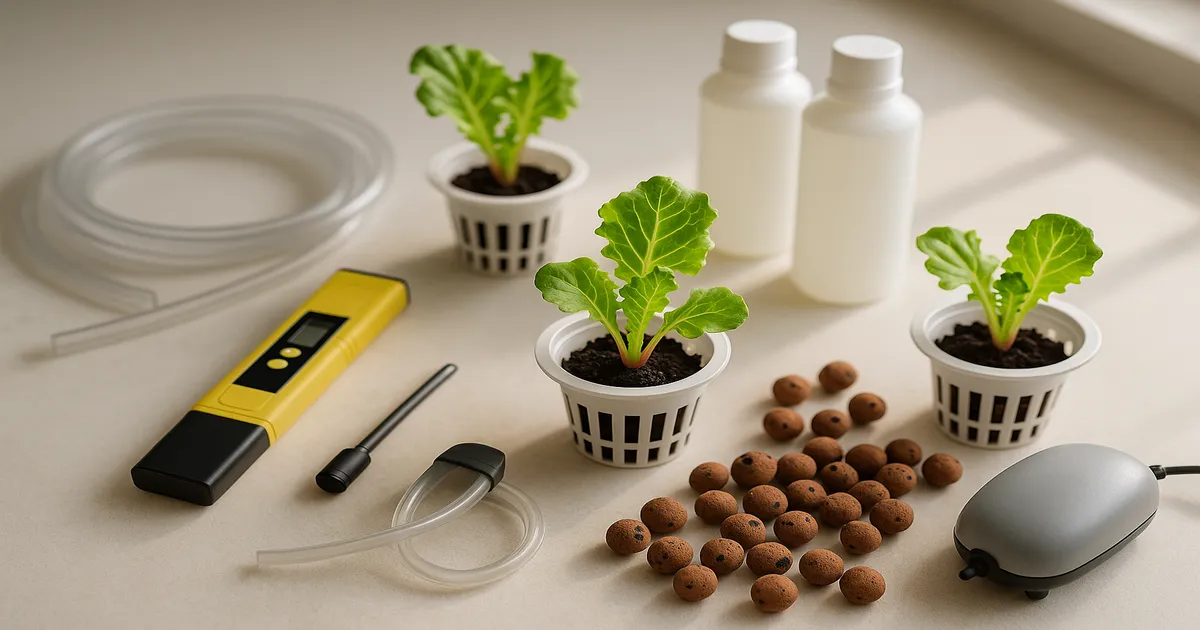
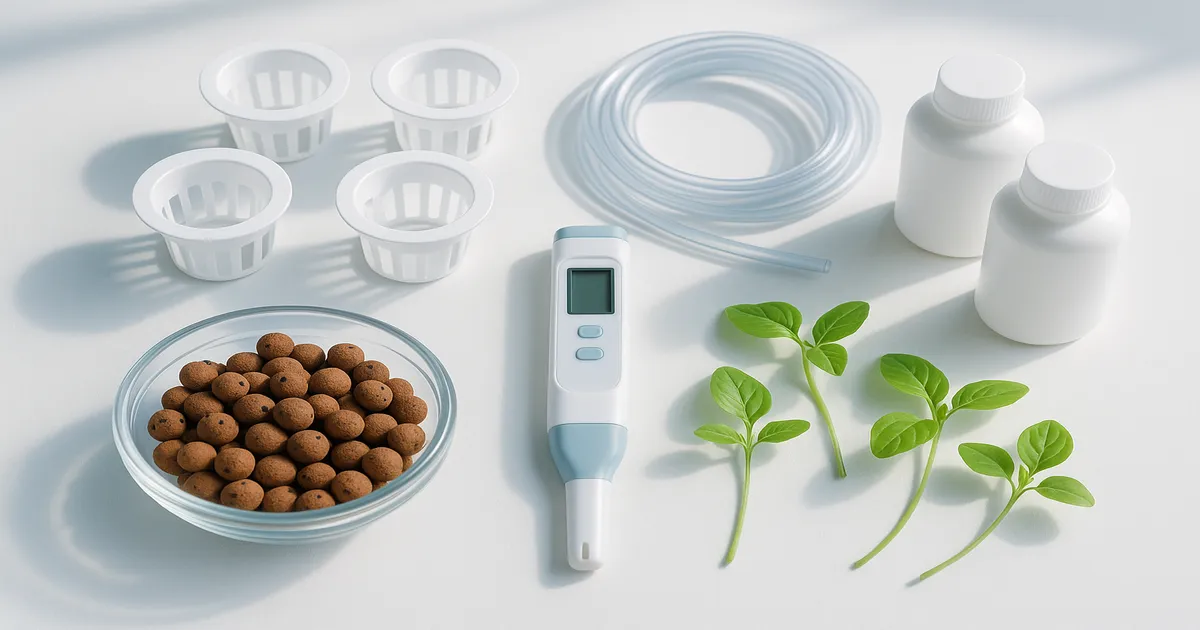
If you’ve been searching for how to start a hydroponic garden for beginners, here’s the good news: you don’t need a greenhouse, an engineering degree, or a big budget. You need five things — a system, growing media, nutrients, a pH meter, and a light source. This guide walks you through every one of them in plain language.
Choosing the Right Hydroponic System for Beginners
Your system is the foundation of everything else. Pick the wrong one and you’ll fight it the whole grow. Pick the right one and it practically runs itself.
Deep Water Culture (DWC)
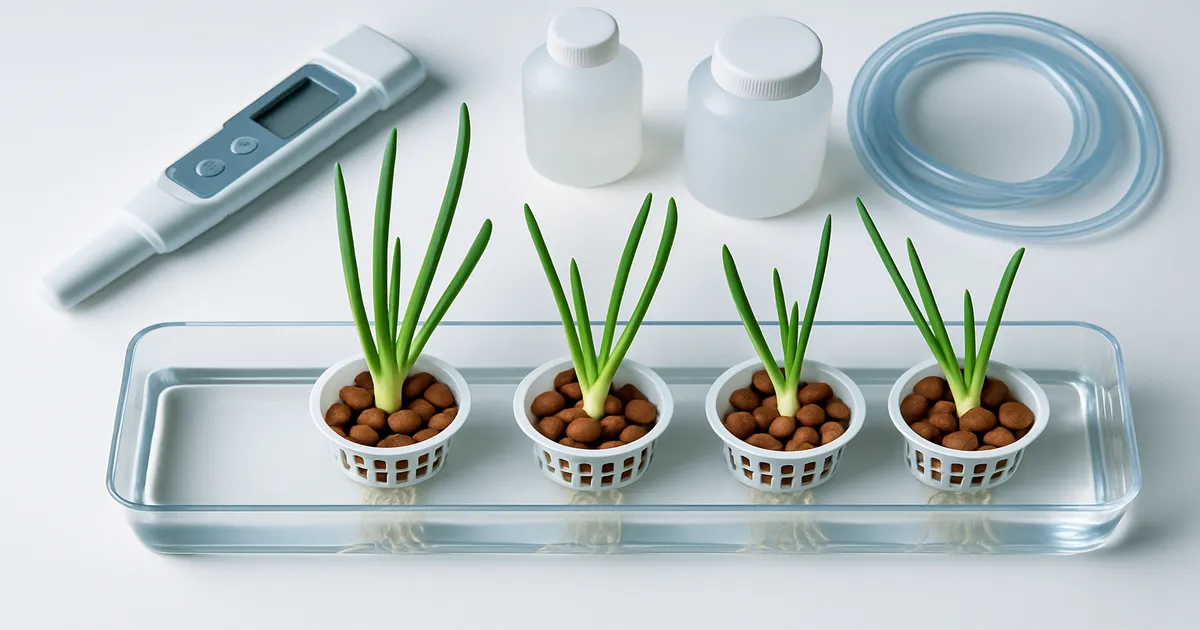
DWC suspends plants in net pots above a reservoir of oxygenated nutrient solution. The roots hang directly into the water, and a small air pump keeps oxygen levels high. It’s cheap to build, easy to understand, and highly effective for leafy greens and herbs. A basic setup — bucket, net pot lid, air pump, and air stone — costs under $30.
Kratky Method
The Kratky method is DWC without the pump. Fill a reservoir, set your plants above it, and let them drink. As the water level drops, an air gap forms naturally, giving roots the oxygen they need. Nothing to plug in, nothing to break. It’s the single best starting point for an absolute beginner.
Nutrient Film Technique (NFT)
NFT runs a thin film of nutrient solution continuously along the bottom of angled channels. It’s popular for commercial lettuce production because it’s space-efficient and uses very little water. The downside: if the pump fails, plants can die within hours — not ideal when you’re still learning.
Ebb and Flow
Ebb and Flow periodically floods a grow tray with nutrient solution, then drains it back into a reservoir on a timer. It works with almost any growing media and handles a wide range of crops, from herbs to tomatoes. Slightly more complex to set up, but very flexible once you get the hang of it.
Drip Systems
Drip systems deliver nutrient solution directly to each plant’s root zone through emitters. They’re the most common commercial system in the world and excel with large fruiting plants like tomatoes, cucumbers, and peppers. For a beginner growing lettuce on a shelf, it’s more system than you need.
Aeroponics
Aeroponics mists bare roots with nutrient solution at timed intervals, producing the fastest growth rates of any method. It’s also the most technically demanding and expensive. Skip it until you have a few successful grows behind you.
Which System Should You Start With?
Choose Kratky if you want zero complexity and plan to grow leafy greens. Step up to DWC if you want to grow a wider variety of crops and don’t mind running a small air pump. Both can be set up for under $50.
| System | Cost | Complexity | Best Crops | Pump Required? |
|---|---|---|---|---|
| Kratky | Very Low | Very Easy | Lettuce, herbs | No |
| DWC | Low | Easy | Lettuce, herbs, spinach | Yes (air pump) |
| NFT | Medium | Moderate | Lettuce, strawberries | Yes |
| Ebb & Flow | Medium | Moderate | Tomatoes, herbs, peppers | Yes |
| Drip | Medium–High | Moderate | Tomatoes, cucumbers | Yes |
| Aeroponics | High | Advanced | Most crops | Yes |
Growing Media, Nutrients, and pH: The Core Three
Selecting Your Growing Media
Growing media anchors your plants and supports root development. It doesn’t feed them — that’s the nutrient solution’s job.
Hydroton (LECA) is the most popular choice for DWC and Ebb & Flow. It’s pH neutral, drains well, and can be sterilized and reused indefinitely. A bag runs about $15–20 and lasts for years.
Rockwool cubes are ideal for germinating seeds before transferring into your main system. Important: rockwool is naturally alkaline, so pre-soak it in pH 5.5 water for at least an hour before use. Skip this step and you’ll fight pH problems from day one.
Perlite and coco coir are inexpensive and widely available. Perlite drains excellently and suits Drip and Ebb & Flow systems. Coco coir holds moisture well and pairs nicely with drip irrigation, but it isn’t reusable. Neither is ideal for DWC.
In a Kratky or DWC setup, you can skip most media entirely. A small rockwool cube or rapid rooter plug in the net pot is all you need to hold the seedling in place. Once roots reach the nutrient solution, they take care of themselves.
Mixing Your Nutrient Solution
Because there’s no soil, you are the soil. Every mineral your plant needs has to come from you.
The three numbers on any fertilizer label — N-P-K — stand for nitrogen, phosphorus, and potassium. Nitrogen drives leafy growth (deficiency shows as yellowing on older leaves). Phosphorus fuels roots, flowering, and fruiting (deficiency causes purple or reddish discoloration on stems). Potassium regulates water uptake and fruit quality (deficiency shows as brown, crispy leaf edges).
Beyond N-P-K, calcium builds cell walls and prevents tip burn in lettuce and blossom end rot in tomatoes. Magnesium sits at the center of every chlorophyll molecule — without it, leaves yellow between the veins. Iron is the most commonly deficient micronutrient in hydroponics; use chelated iron (Fe-EDTA or Fe-DTPA) for the best availability.
For most beginners, a quality commercial nutrient formula is the right call. Follow the mixing chart and focus your energy on dialing in pH.
- GH FloraNova — single-bottle solution, hard to mess up, great for beginners
- GH Flora Series (3-part) — the industry standard; shift mix ratios from grow to bloom as plants mature
- Masterblend 4-18-38 — a dry formula used by commercial growers; affordable and beginner-friendly once you learn the recipe
Masterblend DIY recipe (per gallon): Add ingredients in this order — 2.4 g Masterblend 4-18-38, then 2.4 g Calcium Nitrate, then 1.2 g Magnesium Sulfate (Epsom salt). Always add Calcium Nitrate before Magnesium Sulfate to prevent precipitation. This produces roughly 800–900 PPM (1.6–1.8 EC) — ideal for lettuce and most leafy greens.
A note on water quality: Tap water often starts at 100–400 PPM. Subtract that from your target PPM when mixing — you’re already partway there. Let tap water sit 24 hours to off-gas chlorine, or run it through a carbon filter. Reverse osmosis (RO) water starts near 0 PPM, which is great for precision mixing, but you’ll need to add a CalMag supplement to replace the calcium and magnesium RO strips out. (General Hydroponics CALiMAGic) Well water should be tested before use — mineral content varies widely.
Target PPM and EC by crop:
| Crop | Seedling PPM (EC) | Vegetative PPM (EC) | Mature/Fruiting PPM (EC) |
|---|---|---|---|
| Lettuce | 100–250 (0.2–0.5) | 560–840 (1.1–1.7) | 840–1120 (1.7–2.2) |
| Basil/Herbs | 100–250 (0.2–0.5) | 700–1120 (1.4–2.2) | 1120–1400 (2.2–2.8) |
| Spinach | 100–350 (0.2–0.7) | 1260–1610 (2.5–3.2) | 1610–2100 (3.2–4.2) |
| Strawberries | 100–350 (0.2–0.7) | 1008–1260 (2.0–2.5) | 1260–1750 (2.5–3.5) |
| Cucumbers | 100–350 (0.2–0.7) | 1190–1750 (2.4–3.5) | 1750–2450 (3.5–4.9) |
| Tomatoes | 100–350 (0.2–0.7) | 1400–2100 (2.8–4.2) | 2100–3500 (4.2–7.0) |
| Peppers | 100–350 (0.2–0.7) | 1400–2100 (2.8–4.2) | 1750–2800 (3.5–5.6) |
Managing pH: The Most Important Variable in Hydroponics
Get this wrong and nothing else matters. A perfect nutrient solution at the wrong pH is useless — plants literally cannot absorb it.
pH controls nutrient availability. Every mineral has a specific pH window where it’s accessible to roots. Outside that window, nutrients lock out — they’re present in the water, but the plant can’t take them up. Most beginner problems that look like nutrient deficiencies are actually pH problems.
The sweet spot for most hydroponic crops is pH 5.8–6.2. This narrow range keeps nitrogen, phosphorus, potassium, calcium, magnesium, and iron all simultaneously available. Push above 6.5 and iron and manganese lock out. Drop below 5.5 and calcium and magnesium become unavailable.
How to test and adjust pH:
- Mix your full nutrient solution before testing — nutrients shift the pH of plain water.
- Test with a calibrated digital pH meter. (Apera Instruments PH20)
- pH above 6.5? Add pH Down (phosphoric acid) in 0.5–1 mL increments, stir, wait 15 minutes, retest.
- pH below 5.5? Add pH Up (potassium hydroxide) the same way.
- Target 5.8–6.2. Don’t chase a single number — a small range is fine and even beneficial.
pH drift is normal. As plants absorb nutrients, they release ions that shift the pH up or down. Keep your reservoir dark, maintain water temperature at 65–72°F (18–22°C), and do a full reservoir change every 7–14 days to keep drift manageable. Between changes, top off with plain pH-adjusted water — not fresh nutrient solution — to prevent concentration creep.
For measuring nutrient concentration, a budget TDS meter like the HM Digital TDS-3 (~$15) is perfectly adequate to start. Note that most budget meters use either a 500-scale or 700-scale conversion from EC to PPM — check your meter’s manual and stick with the same meter consistently to avoid confusing readings.
Lighting Your Indoor Hydroponic Garden for Beginners
Light is your plants’ energy source. Without enough of it, nothing else you do will produce good results.
Leafy greens and herbs need 16–18 hours of light per day. Fruiting crops like tomatoes and peppers need 12–14 hours — the shorter day triggers flowering. Use a simple outlet timer so you never have to flip the switch manually.
Full-spectrum LED panels are the go-to choice for indoor hydroponic gardens. They run cool, use a fraction of the electricity of older HID lights, and last for years. A quality panel in the 100–200W range covers a 2×3 ft growing area comfortably. Look for a full spectrum that includes both red (620–660 nm) and blue (440–470 nm) wavelengths. (Mars Hydro TS 1000)
If you’d rather not invest in lights right away, lettuce and most herbs can thrive on a bright, south-facing windowsill in spring and summer. It’s not ideal, but if your window gets at least 6 hours of direct sun, it’s worth trying before spending money on equipment.
Best Plants to Grow as a Beginner
Start here: Lettuce, basil, cilantro, mint, and spinach. These crops grow fast, tolerate minor pH swings, and have low nutrient requirements. Lettuce can go from seed to harvest in 3–4 weeks in a Kratky or DWC setup.
Step up to these next: Strawberries, kale, and cucumbers. More rewarding, but they need a bit more attention. Cucumbers grow fast and produce heavily — just plan for vertical support and extra headroom.
Save these for later: Tomatoes and peppers. Absolutely achievable in hydroponics, but they need high PPM levels, long grow seasons, regular pruning, and pollination support indoors. Tackle them on your second or third grow.
Starting from seed: Soak rockwool starter cubes in pH 5.5 water, place one or two seeds per cube, and keep them warm and moist at 70–75°F (21–24°C). Most seeds sprout in 3–7 days. Once roots are visible from the bottom of the cube, transplant into your system. If you’re buying nursery seedlings instead, rinse all soil from the roots thoroughly before placing them in any hydroponic system — soil introduces pathogens that thrive in nutrient-rich water.
Troubleshooting Common Beginner Problems
Yellowing Leaves
Always check pH first. Yellowing is the most common symptom beginners worry about, but it’s usually pH lock-out rather than an actual deficiency. If pH is in range, look at which leaves are affected: yellowing on older, lower leaves suggests nitrogen deficiency; yellowing between the veins on older leaves points to magnesium; yellowing between the veins on new leaves suggests iron deficiency.
Root Rot
Root rot turns healthy white roots brown and slimy, and it spreads fast. The main causes are warm water (above 72°F / 22°C), light leaking into the reservoir, and poor oxygenation. Keep water cool, cover the reservoir completely, and run your air pump continuously. If rot appears, beneficial bacteria products like Botanicare Hydroguard can help restore root health.
Frequently Asked Questions
How much does it cost to start a hydroponic garden for beginners? A basic Kratky setup — container, net pots, nutrients, pH meter, and seeds — can be put together for $40–60. A DWC setup with an air pump and LED grow light runs $80–150. Costs scale up from there depending on system size and crop type.
How often do I need to change the nutrient solution? Every 7–14 days for most systems. Between changes, top off with plain pH-adjusted water to replace what plants drink. If EC drifts significantly above your target, do a full change sooner.
Can I use regular fertilizer for hydroponics? No. Standard soil fertilizers are designed to interact with soil biology and often lack the full micronutrient profile plants need in a soilless system. Use a fertilizer specifically formulated for hydroponics, such as GH FloraNova or Masterblend 4-18-38.
Do I need a grow tent for a beginner hydroponic garden? Not strictly, but a grow tent makes life easier. It contains light, reflects it back onto your plants, and keeps the growing environment clean and contained. A 2×2 ft tent is plenty for a first setup and costs around $40–60. (AC Infinity CLOUDLAB 422)
How do I know if my plants are getting enough light? Healthy plants under adequate light are compact with deep green leaves. Insufficient light causes “stretching” — long, weak stems reaching toward the light source. If your seedlings look leggy within the first week, move the light closer or increase the daily hours.