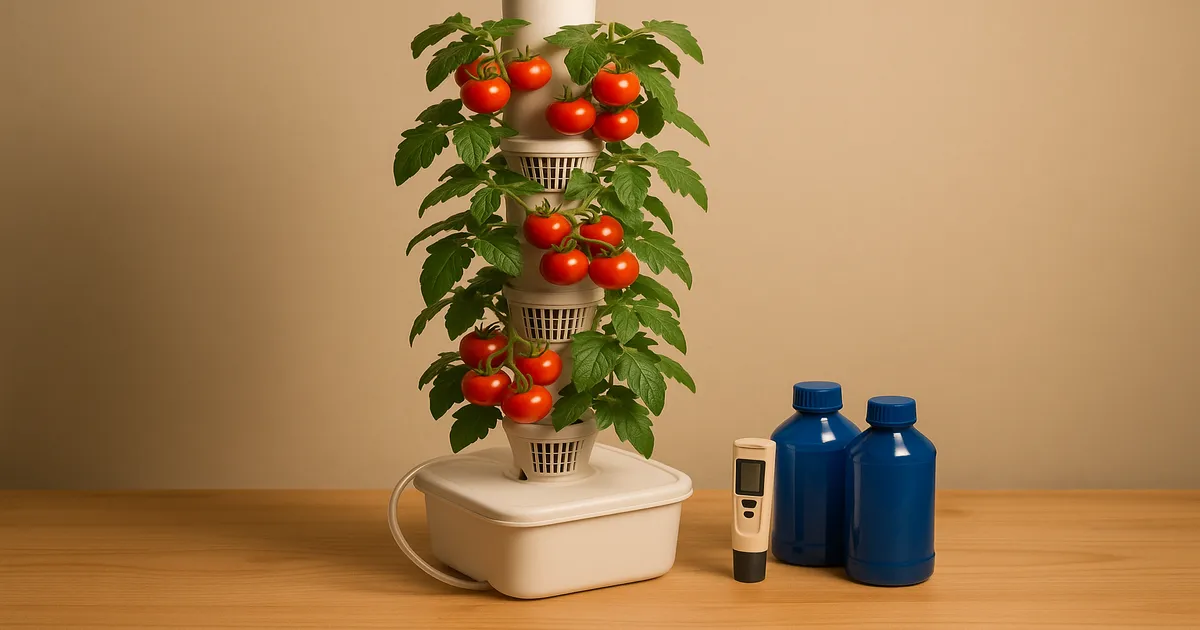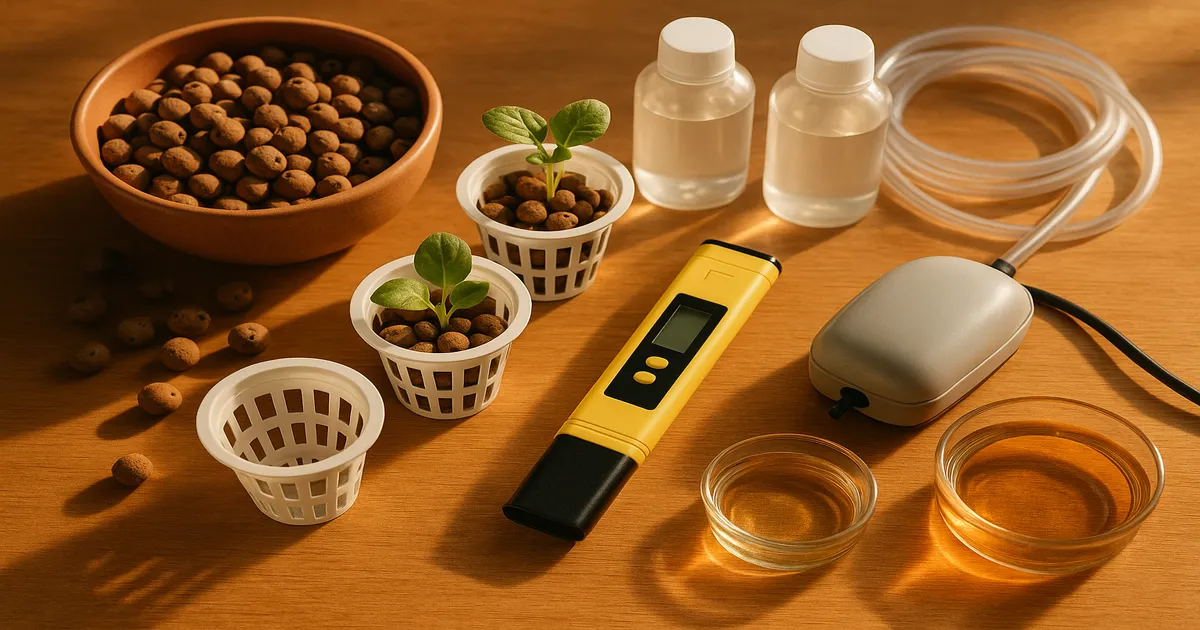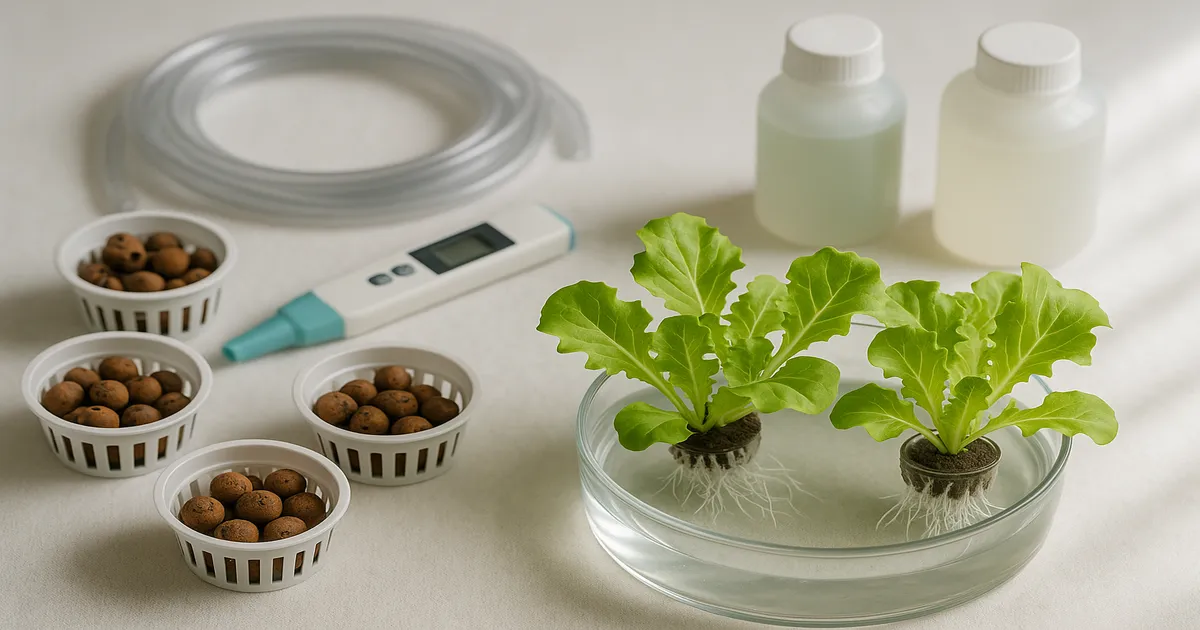
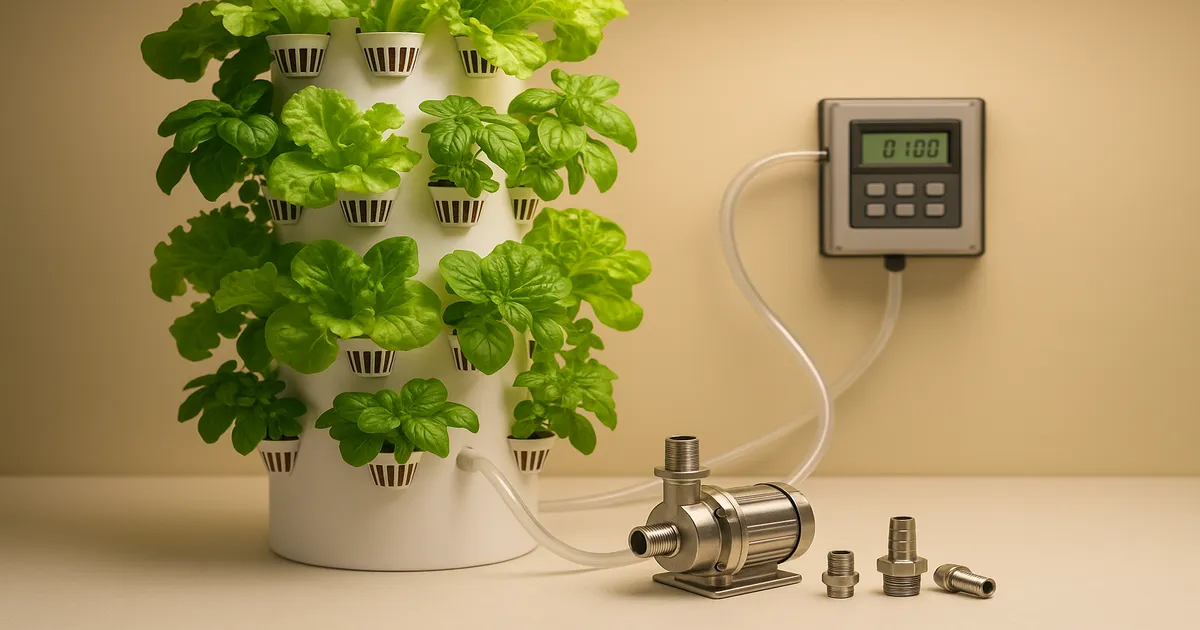
Quick Answer: How often your hydroponic tower should run depends on your system type. NFT towers typically run 24/7 or on a 15-minute on/off cycle. Aeroponic towers mist for 30 seconds every 3–5 minutes. Drip towers run 3–6 cycles per day. Both under-running and over-running cause real problems, so dialling in the right schedule is one of the most important things you can do for your plants.
If you’ve ever stared at your tower garden wondering how often should I have my hydroponic tower running, you’re not alone. It’s one of the most common questions new growers ask — and one of the most consequential to get right. Run too little and your roots dry out. Run too much and they drown. Once you understand the logic behind pump scheduling, though, the answer becomes surprisingly intuitive.
How Often Should Your Hydroponic Tower Run? A Quick Guide by System Type
| System Type | Typical Run Schedule |
|---|---|
| NFT / Continuous Flow Tower | 24/7 or 15 min on / 15 min off |
| Aeroponic Tower | 30 sec on / 3–5 min off |
| Drip Tower | 3–6 cycles/day, 15–30 min each |
| Ebb & Flow Tower | 2–4 flood cycles/day |
| Kratky-Style Passive Tower | No pump needed |
The right schedule isn’t just about system type, though. It also depends on what you’re growing, how mature your plants are, ambient temperature, and even the time of day. A mature tomato plant in a warm room needs a very different schedule than lettuce seedlings in a cool basement. Treat the table above as a starting point, not a final answer.
Why Run Time Matters So Much
Plant roots need two things simultaneously: moisture to absorb nutrients, and oxygen from air gaps between wet periods. In natural soil, water drains through and air follows. Hydroponic tower scheduling replicates that rhythm artificially — wet the roots, let them breathe, wet them again.
Too little run time: The root zone dries out faster than plants can recover. You’ll see wilting even when your reservoir is full, leaf curl, and eventually nutrient deficiency symptoms as stressed roots lose their ability to uptake minerals. Seedlings and young clones are especially vulnerable.
Too much run time: Constant saturation starves roots of oxygen. The first sign is usually a sour smell from the reservoir, followed by brown, slimy roots — classic root rot. Once pythium takes hold, it spreads fast. Prevention is far easier than the cure.
Water temperature matters too. Warmer water holds less dissolved oxygen, so your roots work with less O₂ even when the pump is running correctly. Keep reservoir temperature between 65–72°F (18–22°C). In summer, or if your reservoir sits in a warm room, shorten on-periods slightly and add an air stone to compensate. A small submersible air pump like the Vivosun Air Pump 317 GPH costs under $20 and makes a meaningful difference in root health.
Recommended Run Schedules by Tower System Type
NFT and Continuous Flow Towers
NFT towers move a thin film of nutrient solution continuously over exposed roots. Many growers simply run them 24/7 — the film is shallow enough that roots still get air exposure along the top. If you prefer a timer, start with 15 minutes on / 15 minutes off and check your root zone after a week.
Aeroponic Towers
Aeroponic systems mist bare roots directly, so timing precision matters more here than in any other system. The standard starting schedule is 30 seconds on / 3–5 minutes off during your lights-on period. At night, stretch the off-period to 5–7 minutes since transpiration slows down. If root tips start looking dry or slightly brown, shorten your off-period by 30–60 seconds at a time until roots look white and healthy again.
Drip Towers
Drip systems are forgiving and easy to dial in. A good baseline is 3–6 cycles per day, each lasting 15–30 minutes, spread evenly across your light period. In hot weather or with large, thirsty plants, add a cycle or two. In cooler conditions with small plants, three cycles is usually plenty.
Ebb and Flow Towers
Flood-and-drain towers fill the root zone with nutrient solution, then drain it completely, leaving air behind. 2–4 flood cycles per day is standard, timed to coincide with your light schedule — flood at lights-on, again mid-day, and optionally once more a few hours before lights-off. Avoid flooding right before lights-off to prevent standing water sitting in the root zone overnight.
Passive Kratky-Style Towers
Kratky towers don’t use a pump at all. The lower portion of the roots sits in a static reservoir while the upper portion is exposed to air. As the plant drinks, the water level drops and the air gap grows — passive oxygen delivery built right in. These are the simplest towers to manage, though they work best for smaller, faster-growing crops like lettuce and herbs.
Adjusting Your Schedule for Plant Stage and Species
Seedlings and Clones
Young plants have tiny root systems with almost no moisture buffer. Run your pump more frequently during this stage — for drip systems, that might mean 5–6 short cycles per day; for aeroponic towers, keep your off-period at 2–3 minutes. The goal is consistent moisture without waterlogging.
Vegetative Stage
Once plants are established and roots are visible extending into the tower, settle into your standard schedule. This is when the baseline recommendations in the table above apply. Watch your plants daily — perky leaves and healthy white roots mean you’ve got it right.
Mature and Fruiting Plants
A mature lettuce head or fruiting tomato plant has an extensive root network that retains moisture between cycles. You can back off slightly from your vegetative schedule, allowing longer off-periods. The extra air exposure actually benefits oxygen uptake at this stage.
Crop-Specific Water Needs
- Butterhead lettuce, spinach, arugula, kale — 21–45 days to harvest; low drought tolerance; keep cycles consistent
- Basil, mint, cilantro, chives — 21–40 days; basil prefers warmer conditions (70–80°F / 21–27°C) and slightly drier root zones than lettuce
- Strawberries — 60–90 days; everbearing varieties perform well in towers; moderate water needs
- Cherry tomatoes and peppers — 60–90 days; thirsty plants that benefit from more frequent cycles and higher EC (1,000–1,600 PPM / 2.0–3.2 EC)
Syncing Your Pump Timer With Your Light Schedule
When your lights come on, stomata open, transpiration kicks in, and water consumption jumps. Your tower needs to deliver more water during the light period than at night — under-watering during peak transpiration causes stress even if your overnight schedule is perfect.
A practical approach: run your full pump schedule during lights-on, then reduce cycle frequency by 25–50% during lights-off. For a drip tower running 6 cycles during the day, that means 3 cycles at night. For an aeroponic tower, stretch your off-period from 3 minutes to 5–6 minutes overnight.
Recommended photoperiods:
- Leafy greens and herbs: 16–18 hours light / 6–8 hours dark
- Fruiting crops (tomatoes, peppers): 14–16 hours light
- Strawberries: 12–16 hours depending on variety
Never run lights 24/7 — plants need dark periods for respiration and recovery.
A reliable digital outlet timer is essential for managing this automatically. The BN-LINK Digital Outlet Timer ($10–$20) supports at least 8 programmable on/off settings per day with 15-minute minimum intervals — more than enough for most home tower setups.
Nutrients, pH, and EC: Keeping Your Solution Dialled In
pH Targets
Aim for pH 5.8–6.2 for leafy greens and herbs. For fruiting crops, nudge toward pH 6.0–6.5. Staying near the middle of your target range gives you buffer room for natural drift.
For accurate readings, the Apera PH20 is a reliable, affordable pH pen that’s easy to calibrate and holds up well in daily use. Calibrate with pH 4.0 and 7.0 buffer solutions every 1–2 weeks, and check pH at minimum every 2–3 days — daily during hot weather or rapid growth phases.
EC and PPM by Growth Stage
| Growth Stage | Target PPM | Target EC |
|---|---|---|
| Seedlings / Clones | 200–400 PPM | 0.4–0.8 EC |
| Vegetative (leafy greens) | 600–900 PPM | 1.2–1.8 EC |
| Vegetative (herbs) | 700–1,000 PPM | 1.4–2.0 EC |
| Fruiting / Flowering | 1,000–1,600 PPM | 2.0–3.2 EC |
| Late Flush / Harvest | 0–400 PPM | 0.0–0.8 EC |
Nutrient Solutions
The General Hydroponics Flora Series is a reliable 3-part system that gives you flexibility across growth stages. For a more cost-effective professional option, Masterblend 4-18-38 mixed at 2.4 g/gal Masterblend + 4.8 g/gal Calcium Nitrate + 1.2 g/gal Magnesium Sulfate yields a clean 800–1,000 PPM (1.6–2.0 EC) solution that’s hard to beat for the price.
Reservoir Maintenance
Top off with plain pH-adjusted water between changes — plants drink water faster than nutrients, so EC will creep up if you top off with full-strength solution. Do a complete reservoir change every 2–3 weeks to prevent salt buildup. Watch for tip burn on lettuce, which signals calcium deficiency — a common tower problem caused by high transpiration outpacing calcium uptake.
Reading EC trends:
- EC rising: Plants drinking water but leaving nutrients → top off with plain pH-adjusted water
- EC falling: Plants consuming nutrients rapidly → top off with dilute half-strength solution
- EC stable: You’ve nailed the balance — maintain within ±200 PPM of your target
Troubleshooting Common Run Schedule Problems
Roots drying out between cycles: Increase cycle frequency first — add one or two more cycles per day and check roots after 48 hours. If roots are still drying, increase cycle duration. In hot weather, insulating your tower also reduces evaporation between runs.
Root rot despite running the pump: Counterintuitively, root rot often means you’re running too much, not too little. Reduce run time, add an air stone, and verify reservoir temperature is below 72°F (22°C). Adding beneficial bacteria like Botanicare Hydroguard can help restore a healthy root microbiome and outcompete pathogens.
pH swings that won’t stabilise: Usually a water quality or algae problem. Switch to reverse osmosis water for a clean 0 PPM baseline, add a cal-mag supplement to improve buffering, and check every inch of your system for light leaks — algae thrive on stray light and cause rapid pH crashes.
Plants wilting with the pump running: If the pump is running but plants are still wilting, the problem isn’t your schedule — it’s delivery. Check for clogged emitters or drip lines, verify the pump is actually moving water, and inspect for root-bound conditions blocking water distribution. A pump undersized for your tower height will also fail to reach upper plant sites.
Frequently Asked Questions
How often should I have my hydroponic tower running if I’m a beginner?
Start with the schedule for your system type in the table at the top of this article, then adjust based on what you observe. Check roots every 2–3 days for the first two weeks. White, slightly moist roots mean you’re on track. Dry or slimy roots mean you need to adjust frequency or duration.
Should a hydroponic tower pump run continuously or on a timer?
It depends on your system. NFT towers can run continuously or on a 15-minute on/off timer — both work well. Aeroponic and drip towers should always use a timer, since continuous misting or dripping saturates roots and causes oxygen deprivation. A basic digital timer is one of the best investments you can make for any tower system.
Can I run my hydroponic tower pump at night?
Yes, but less frequently than during the day. Transpiration slows significantly during lights-off, so plants need less water. Reduce pump cycles by 25–50% overnight. If you run 6 cycles during the day, 2–3 overnight cycles is usually sufficient.
How do I know if my hydroponic tower is running too much or too little?
Too little: roots look dry or brown at the tips, plants wilt during the day, growth slows. Too much: roots are slimy or brown throughout, the reservoir smells sour, and lower leaves may yellow from oxygen deprivation. Healthy roots should be white, firm, and slightly moist — not dripping wet and not dry to the touch.
What type of timer do I need for a hydroponic tower pump?
A standard digital outlet timer with multiple daily on/off settings works perfectly for most home towers. Look for one that allows intervals as short as 15 minutes and has at least 8 programmable settings per day. Mechanical dial timers only allow 30-minute minimum intervals, which isn’t precise enough for aeroponic systems.